Solomon and Rehoboam were father and son, both kings of Israel, both handed power and position. But what they did with that power at the beginning of their rule couldn’t have been more different.
Solomon was the son of David, chosen by God to build the temple and rule over a united Israel. When he first became king, he prayed for wisdom to lead God’s people. That single request set the tone for a reign marked by peace, prosperity, and respect.
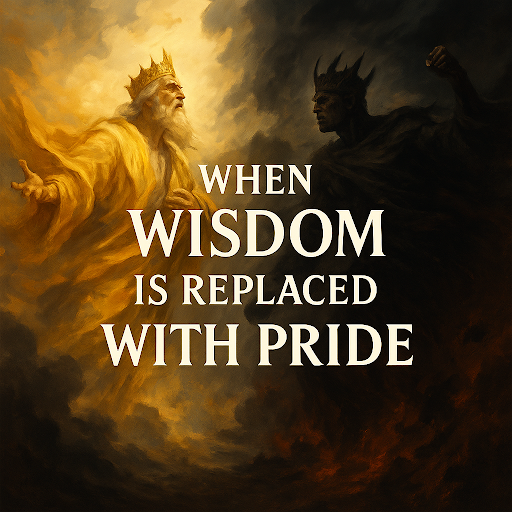
Rehoboam, his son, inherited the throne after Solomon died. He let pride and bad counsel guide his decisions. Within days of taking the crown, he lost control of most of the kingdom.
One king ruled with wisdom. The other tried to rule with a heavy hand. The difference wasn’t in what they had, but in who they listened to and why they listened.
Let’s look at the contrast between them and the four big differences that split the kingdom in two.
1. Who They Were Talking To
Solomon went to God.
In 2 Chronicles 1:7–10, God came to Solomon and said, “Ask what I shall give thee.” Solomon didn’t waste time. He asked God for wisdom and knowledge to lead the people. He didn’t ask around. He didn’t run a survey. He humbled himself and asked the One who gave him the job.
Rehoboam went to men.
In 2 Chronicles 10:6–14, Rehoboam asked for advice too. First, he went to the old men who had served his father, Solomon. They told him to speak kindly and serve the people, and the people would serve him. But he didn’t like that answer. So he went to the young men he grew up with. They told him to be harsh and flex his power. He chose pride over peace. And he chose his buddies over wisdom.
2. Why They Asked
Solomon wanted to lead well.
His prayer wasn’t selfish. He said, “Who can judge this thy people, that is so great?” He saw the task as big and himself as small. That’s humility. And God blessed that. Not only did He give Solomon wisdom, but He added riches, honor, and peace.
Rehoboam wanted to look strong.
He didn’t ask for help because he wanted to lead better. He asked because he was feeling pressure. And when he got advice he didn’t like, he looked for people who would agree with him. His heart wasn’t after wisdom. It was after power.
3. The Result
Solomon brought peace and unity.
Solomon’s wisdom built up the kingdom. People came from far away just to hear him speak. He didn’t have to fight for respect. He earned it. He had peace, prosperity, and influence, because he started with God.
Rehoboam lost most of the kingdom.
Because Rehoboam rejected wise counsel, ten of the twelve tribes left. Just like that, the kingdom split. All that his father built was broken in a moment, not because of enemies or armies, but because of pride and a foolish tongue.
4. The Spiritual Lesson
Solomon feared God. Rehoboam feared man.
Proverbs 9:10 says, “The fear of the LORD is the beginning of wisdom.” Solomon lived that out. Rehoboam was more worried about what his friends thought. He picked pride over wisdom and lost nearly everything.
Both had access to wisdom. Only one chose it.
Rehoboam had every chance. The old men who served Solomon were right there. He could have listened. He could have followed his father’s path. But he didn’t want truth. He wanted someone to tell him he was right.
Final Thought
One man got wisdom and brought peace. The other got proud and lost almost everything. Solomon humbled himself. Rehoboam lifted himself up. Solomon prayed. Rehoboam polled. And that’s how the kingdom was split in two.
Be careful who you ask. Be even more careful why you’re asking.