Numbers 20 is often taught as a series of unfortunate events: a leader losing his temper, a brother nation being aggressive, and an old priest passing away. But if you look closer, it is a dismantling.
The old order is being stripped away to make room for a greater One. This chapter is a funeral for the wilderness system so that the Resurrection of a better Covenant can take center stage.
1. The Rock and the Once-Smitten Christ
The incident at the rock is the first crack in the old foundation. 1 Corinthians 10:4 tells us plainly: “that Rock was Christ.” In Exodus, the rock was smitten once. In Numbers 20, Moses strikes it twice in anger instead of speaking to it. This was a direct violation of the Gospel pattern. Hebrews 9:28 says Christ was “once offered” to bear the sins of many. The smiting was never meant to be repeated.
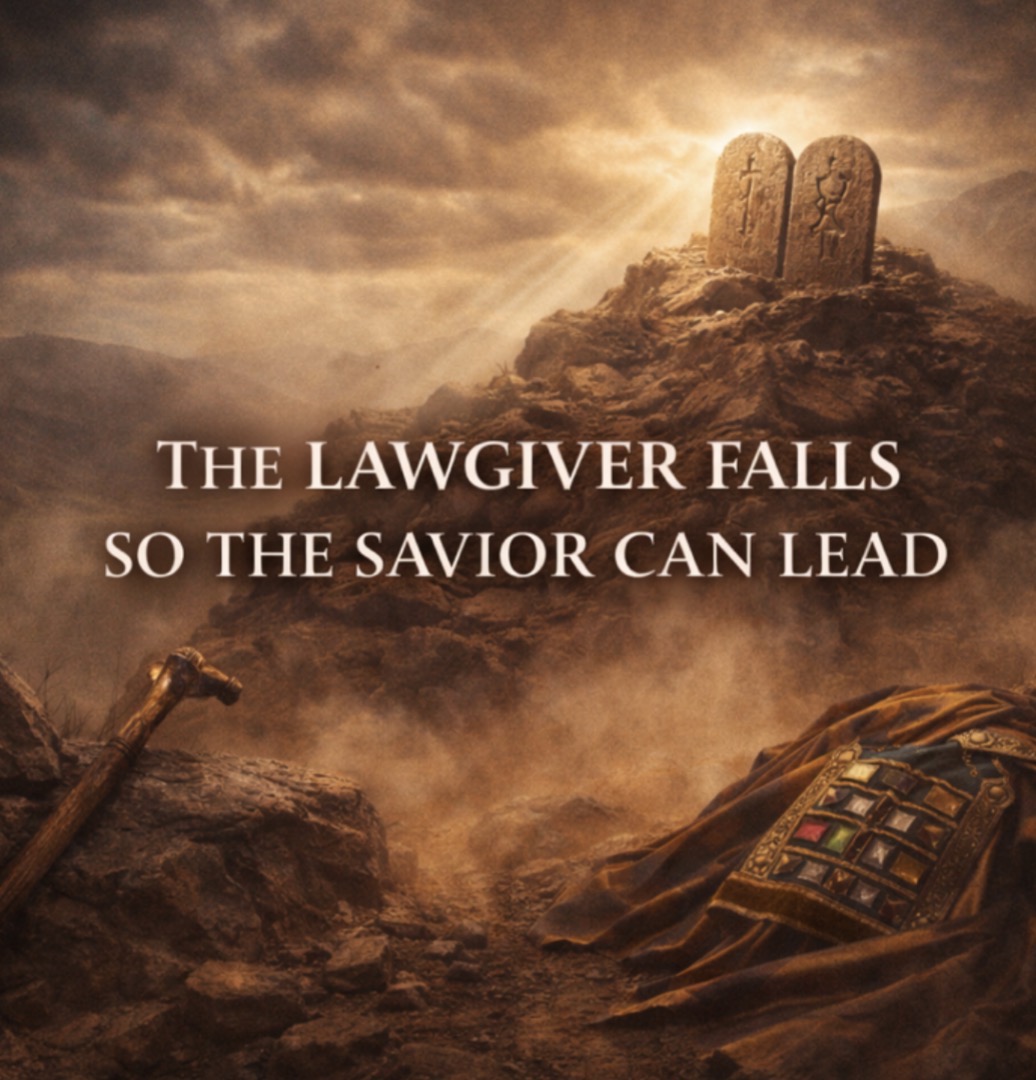
Moses, the lawgiver, fails at the very point where Christ would succeed perfectly. It proves that the Law cannot carry the people into the promise. It can expose the thirst, but it cannot sanctify the people before God. Galatians 3:24 tells us the Law was a schoolmaster to bring us to Christ, but the schoolmaster cannot live in the house with the heir. Moses must step aside.
2. The Brother’s Rejection
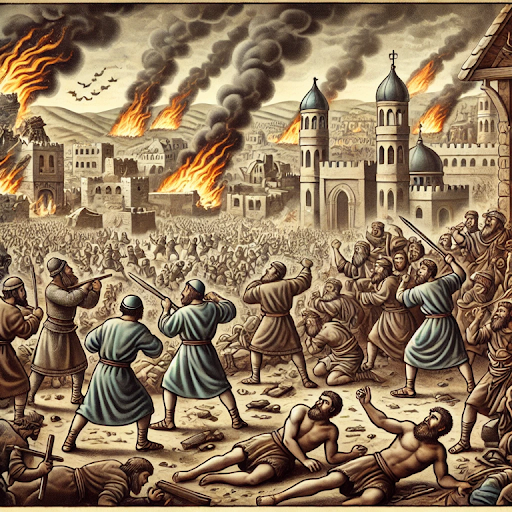
Israel approaches Edom to pass through their land on the highway and says, “Thus saith thy brother…” but they are met with a flat rejection and a threat of war. They were denied by their own flesh and blood.
John 1:11, “He came unto his own, and his own received him not.”
Numbers 20 rehearses the pattern of the Rejected King. Christ was despised and rejected of men, specifically by His brethren according to the flesh, the Jews.
Rejection did not stop the covenant for Israel; it just moved redemption forward on a harder road. It reminds us that our hope is not found in earthly kinship or “brother” nations, but in the One who was cast out so we could be brought in.
3. The End of the First Priesthood
The death of Aaron is not just a personal loss; it is a shift. His garments are removed and transferred to his son, Eleazar. This ceremony signals the fading of the first mediation system.
Hebrews 7:23–24, “And they truly were many priests, because they were not suffered to continue by reason of death: But this man, because he continueth ever, hath an unchangeable priesthood.”
Aaron dies because the Aaronic priesthood was temporary and subject to the curse. The removal of Aaron’s robes on Mount Hor preaches that a better High Priest is coming; One who does not remain in the grave, but who “ever liveth to make intercession.”
4. The Fading of the Wilderness Order
Look at the sequence of the chapter: Miriam dies at the start, Aaron dies at the end, and Moses is sentenced to die before entry. The original leaders of the Exodus cannot enter the inheritance.
They belong to the wilderness order. The old covenant system can expose sin, but it cannot perfect the conscience. Hebrews 4:8 notes that if “Jesus” (the Greek form of Joshua) had given them rest, God would not have spoken of another day.
The name shift itself preaches the Gospel:
* Moses (The Law) cannot bring you in.
* Joshua (Jesus/The Savior) can.
5. The Fading of the First, The Standing of the Better
Numbers 20 is the intentional dismantling of the first order. The Law fails, the first priest dies, and the old generation closes. This is a collapse for the sake of replacement.
Hebrews 8:13, “In that he saith, A new covenant, he hath made the first old. Now that which decayeth and waxeth old is ready to vanish away.”
The larger theme is this: the old covenant leaders fall short so that the perfect Leader, Rock, and High Priest may be revealed. Moses cannot sanctify God perfectly; Christ is the express image of the Father. Aaron cannot continue by reason of death; Christ is the Priest forever.
Numbers 20 is the intentional exposure of the limits of the Law. It clears the stage so that when Christ arrives, the contrast is unmistakable. The old must fade so the Better may stand.